Emerald Gem Plant: A Treasure of Ornamental Plants
Are you looking to add a touch of greenery to your home or garden? If so, then the Emerald Gem Plant is an excellent choice. This plant, also known as Pilea Glauca, is a popular ornamental houseplant that is prized for its stunning appearance and ease of care.
In this blog post, we'll explore what makes the Emerald Gem Plant so special and provide tips on how to care for it. We'll also delve into its history, benefits, and potential drawbacks, so you can make an informed decision about whether this plant is right for you.
The Emerald Gem Plant is a member of the Urticaceae family and originates from Central and South America. Its striking appearance is due to its small, round leaves that are a vibrant emerald green color. The leaves are slightly translucent, which gives them a unique shimmering effect when they catch the light.
This plant is often used in terrariums and as a ground cover in larger arrangements. It's also perfect for those who are new to gardening or don't have a lot of space, as it doesn't require a lot of maintenance.
1. History
The Emerald Gem Plant has been cultivated as an ornamental plant for many years. It was first discovered in Central and South America and was brought to Europe in the early 20th century. Since then, it has become a popular houseplant due to its striking appearance.
2. Benefits
Apart from adding a pop of color to your living space, the Emerald Gem Plant also offers some health benefits. Research suggests that having plants in your home can help improve air quality by removing toxins from the air. Additionally, taking care of plants can be therapeutic and help reduce stress levels.
3. Drawbacks
While the Emerald Gem Plant is relatively easy to care for, it does have a few potential drawbacks. For one, it can be toxic to pets if ingested. Additionally, some people may experience skin irritation when handling the plant.
4. Lighting Requirements
The Emerald Gem Plant prefers bright, indirect light. Too much direct sunlight can scorch its leaves, while too little light can cause the plant to become leggy and floppy.
If you're growing this plant indoors, place it near a window that receives plenty of natural light. If your home doesn't get a lot of sunlight, consider using artificial grow lights to help the plant thrive.
5. Watering Requirements
One of the benefits of the Emerald Gem Plant is that it doesn't require a lot of water. In fact, overwatering can be a common problem with this plant.
Water your Emerald Gem Plant when the soil feels dry to the touch. Be sure to use a well-draining potting mix and avoid letting the plant sit in standing water.
6. Soil Requirements
The Emerald Gem Plant prefers a well-draining potting mix that's rich in organic matter. A mixture of peat moss, perlite, and vermiculite is ideal.
7. Fertilizer Requirements
While the Emerald Gem Plant doesn't require a lot of fertilizer, it can benefit from occasional feeding during the growing season. Use a balanced, water-soluble fertilizer once a month during the spring and summer months.
8. Propagation
The Emerald Gem Plant is easy to propagate through stem cuttings. Simply take a cutting from the parent plant and place it in a container filled with moist potting mix. Keep the soil moist and wait for new growth to appear.
9. Pests and Diseases
Like all plants, the Emerald Gem Plant is susceptible to pests and diseases. Common issues include spider mites, mealybugs, and root rot.
To prevent these problems, be sure to keep your plant clean and healthy. Check regularly for signs of pests or disease, and treat promptly if necessary.
10. Uses
In addition to being a popular houseplant, the Emerald Gem Plant is also used in floral arrangements and as a ground cover in outdoor gardens. Its small size and vibrant color make it an excellent choice for adding visual interest to any space.
The Emerald Gem Plant is an excellent choice for anyone looking to add a touch of greenery to their home or garden. Its striking appearance, ease of care, and potential health benefits make it a great addition to any living space.
Whether you're an experienced gardener or new to the world of plants, the Emerald Gem Plant is sure to delight. So why not give it a try and see how it can transform your living space?
Frequently Asked Questions
Q1: Is the Emerald Gem Plant toxic?
A: Yes, the Emerald Gem Plant can be toxic to pets if ingested. Keep it out of reach of curious pets and children.
Q2: How often should I water my Emerald Gem Plant?
A: Water your Emerald Gem Plant when the soil feels dry to the touch. Avoid overwatering, as this can cause root rot.
Q3: What kind of soil does the Emerald Gem Plant prefer?
A: The Emerald Gem Plant prefers a well-draining potting mix that's rich in organic matter. A mixture of peat moss, perlite, and vermiculite is ideal.
Q4: Can I propagate the Emerald Gem Plant?
A: Yes, the Emerald Gem Plant is easy to propagate through stem cuttings.
Q5: Does the Emerald Gem Plant require a lot of sunlight?
A: The Emerald Gem Plant prefers bright, indirect light. Too much direct sunlight can scorch its leaves, while too little light can cause the plant to become leggy and floppy.
Q6: How often should I fertilize my Emerald Gem Plant?
A: While the Emerald Gem Plant doesn't require a lot of fertilizer, it can benefit from occasional feeding during the growing season. Use a balanced, water-soluble fertilizer once a month during the spring and summer months.
Q7: What are some common pests and diseases that affect the Emerald Gem Plant?
A: Common issues include spider mites, mealybugs, and root rot.
Q8: Can I grow the Emerald Gem Plant outdoors?
A: Yes, the Emerald Gem Plant can be grown outdoors in warm, humid climates. It's often used as a ground cover or in rock gardens.
Q9: How do I know if my Emerald Gem Plant is getting enough water?
A: Check the soil regularly for moisture. If the soil feels dry to the touch, it's time to water your plant.
Q10: Can I use the Emerald Gem Plant in floral arrangements?
A: Yes, the Emerald Gem Plant is often used in floral arrangements due to its striking appearance and unique texture.
15 Emerald gem plant Images

No Reserve 100 Cts Super Top Quality Natural Colombian Emerald

Emerald Quality Simplified In 2020 Gems Emerald Simplify

Syngonium Podophyllum Emerald Gem House Plants Plants Emerald Gem

Homalomena Cvv Emerald Gem Plants Indoor Plants House Plants

Pin By Maria Murphy On Hidden Gems Of Co Clare Tree Plants

Emeralds EMERALDS Pinterest

Phormium Cookianum Green Dwarf Emerald Gem

Pin By Gemma Manswell On Gems Stuff Gem S Plants Gems

Pin Page

Phormium Emerald Green Green Emerald Green Yucca

This Listing Is To Receive One Emerald Gemstone Cabochon Emeralds From

Homalomena Emerald Gem Potted Trees Plants House Plants
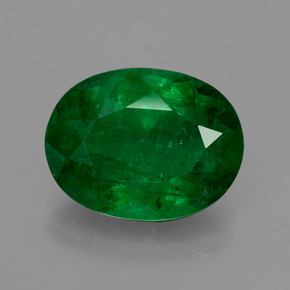
446 Ct Green Emerald Emerald Gem Emerald Gemstones

Authorexample Gemstones Emerald Gemstone Stone

Esmeralda Gem Diamonds Rocks And Minerals Crystals
Post a Comment for "Emerald Gem Plant: A Treasure of Ornamental Plants"